
Call: 07971550048
 Send Inquiry
Computerized DAQsystem consisting of Power indicator; 8 Thermocouple. It should be able toraise the power consumed over time, the load as well temperatures
Total Equipment is skid mounted in SS 40 x40Frame Structure with Castor wheels. All wetted parts also made of SS-304Working medium: ammonia-water solution Auxiliary gas: hydrogen
Electric heater:125W
Evaporator heater,adjustable: 50W Measuring ranges
Temperature: 4x-80-180C
Power: 0-150W
Required foroperation
230V, 50Hz, 1 phase
Touch screen basedFully automatic system with password protection
Data acquisitionshould be Remotely operated by Smart phone, Tablets, PC, laptops via Ethernetand Wi-fi
Should be equippedwith all safety protections
Flow visualizationshould be available in the DAQ System
Should be equippedwith both manual and auto operation Power consumption of individual system, allsensors data should be display and logged automatically System should havesoftware for operating, data logging, processing and data displaying
Performancevariables (e.g., Heating/Cooling COP, Heating / Cooling load etc.)
Should beautomatically calculated and displayed and should be stored in pen drive alsoalong with PC.
Instruments shouldbe provided with 3D drawing of complete equipment along with the name and makeof all standard components used in the test rig Each rig should have smallaesthetically appealing poster with schematic diagram and basic working detail


Price:

Price 565515 INR / Piece
Minimum Order Quantity : 01 Piece
Usage : Classroom/laboratory use
Features : Durable construction, transparent chamber, detailed instrumentation, easy observation
Application : Educational training and demonstration
Mounting Type : Floor standing
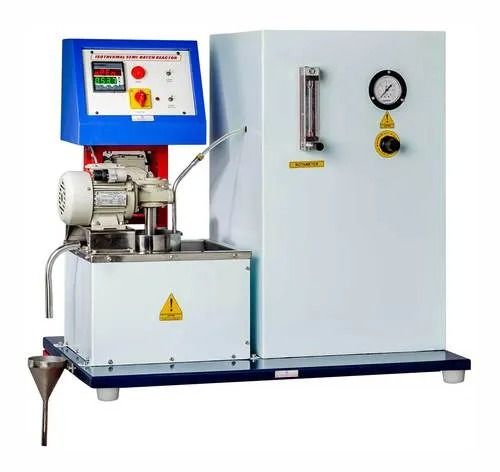
Price 159999.0 INR / Unit
Minimum Order Quantity : 1 Unit
Usage : Laboratory, pilot scale chemical research
Features : Stainless steel construction, air feed control, safety valve
Application : Chemical reaction studies, catalyst investigation, process R&D
Mounting Type : Benchtop
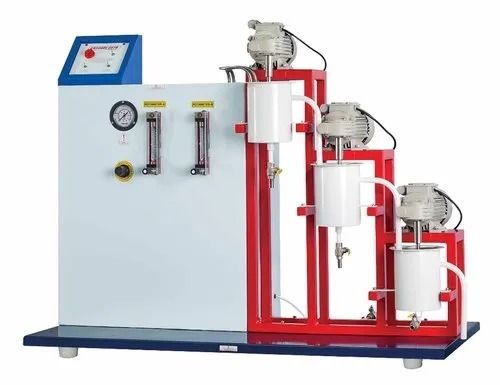
Price 158640.0 INR
Minimum Order Quantity : 1
Usage : Research, Laboratory, Industrial Pilot Projects
Features : Isothermal operation, variable speed agitation, compressed air feed, data logging (optional), corrosionresistant materials
Application : Chemical reaction studies, mixing, and scaleup experiments
Mounting Type : Floor Stand
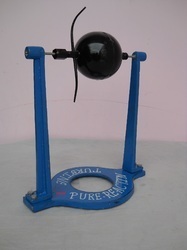
Price 3750 INR
Minimum Order Quantity : 01 Piece
Usage : Educational tools for physics and engineering concepts
Features : Simple structure for basic principles demonstration
Application : Educational demonstration of turbine principles
Mounting Type : Fixed on base
GST : 06BBQPS9049P2ZF


 Send Inquiry

 Send Inquiry