About Carbon Residue Apparatus (Conradson)
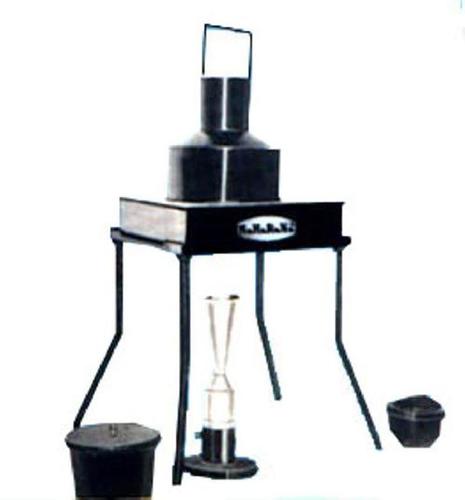
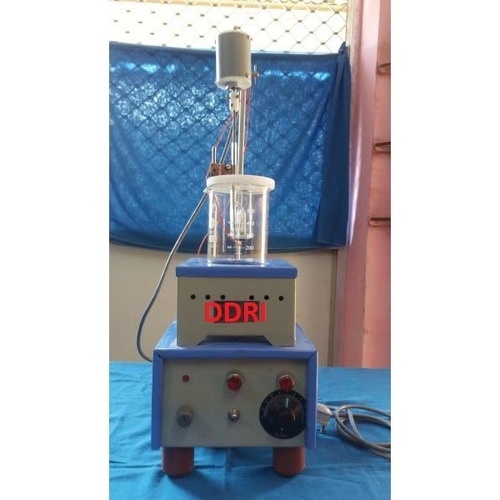
DDRI 150 A - Conradson Carbon Residue single Test Apparatus (Gas Burner)
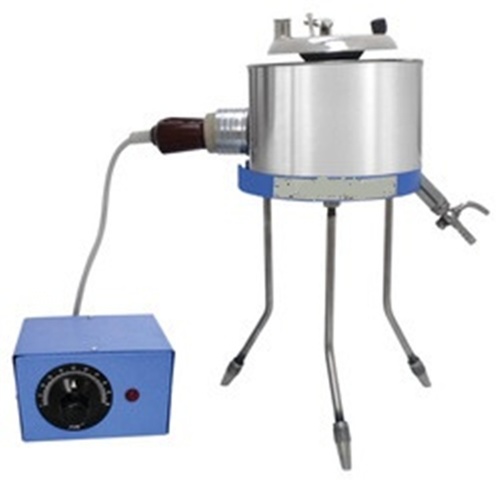
DDRI 150 B - Elect. Heating With Energy Regulator Control
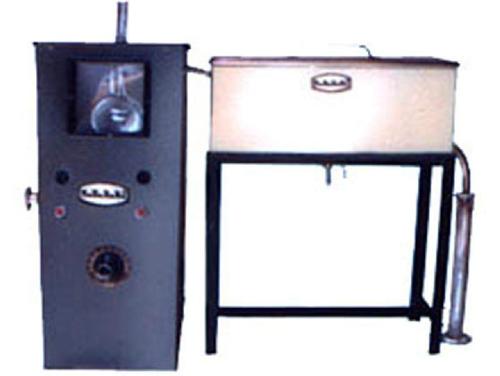
DDRI 151 A - Conradson Carbon Residue Four Test App. (Gas Burner)
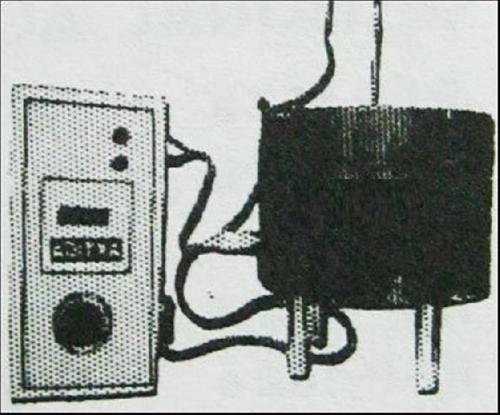
DDRI 151 B - -same as above- but Elect Heating with Separate Energy Regulator Controls
Reliable Standard-Compliant TestingThis apparatus complies with IS 1448 P.8 and ASTM D189, ensuring precision and reliability for carbon residue analysis in petroleum products. The polished finish, heavy-duty materials, and laboratory-grade robustness make it ideal for routine quality assurance in petroleum labs.
User-Friendly and Durable DesignFeaturing a manual control mode and heavy brass stand, the device is both easy to operate and maintain. Nickel crucibles and a high-temperature porcelain dish are built to withstand routine laboratory use, while the open-flame heating setup allows tests up to 600C.
Applications & Versatile CapacityDesigned for analysis of carbon residue in a wide range of petroleum products, the apparatus supports specimen sizes of 1020 grams with accurate, reliable results. The bench-top mounting, stable build, and standard lab size ensure suitability for most laboratory environments.
FAQs of Carbon Residue Apparatus (Conradson):
Q: How does the Conradson Carbon Residue Apparatus operate during testing?
A: The apparatus operates manually by heating the sample in a nickel crucible using a gas flame torch. The test is conducted at atmospheric pressure, and a porcelain dish collects residues, with results available immediately after completion.
Q: What safety features are included in this carbon residue apparatus?
A: This model features a stable, heavy brass support stand and heat-resistant components, minimizing risks during high-temperature operations. The construction and materials are designed to handle open flame use safely in standard laboratory environments.
Q: When should this apparatus be used in petroleum laboratories?
A: This equipment is ideal whenever conformity to IS 1448 P.8 or ASTM D189 is required for assessing carbon residue in petroleum-based samples. It is particularly useful for routine quality assessments, research, and regulatory compliance testing.
Q: Where is this apparatus typically installed and used?
A: The apparatus is designed for bench-top installation in petroleum laboratories. Its standard laboratory size, portability, and ambient operating requirements make it suitable for use in export, import, and service laboratories.
Q: What is the process for determining carbon residue using this device?
A: A sample (1020 g) is placed in the nickel crucible, then heated with a gas flame until decomposition occurs. The carbon residue collects in the dish for quantification as per relevant standards, with the entire process controlled manually.
Q: What are the main benefits of using this Conradson Carbon Residue Apparatus?
A: Benefits include compliance with international test standards, high accuracy with 0.1% resolution, straightforward maintenance, durable construction, and compatibility with standard laboratory practicesall supporting efficient and reliable residue evaluation.
Q: How easy is it to clean and maintain the apparatus after use?
A: Maintenance is straightforward: nickel crucibles and porcelain dishes are easily accessible for cleaning, and the apparatuss polished surfaces reduce residue build-up. Routine servicing ensures longevity and continued compliance with testing standards.

 Send Inquiry



 Send Inquiry

 Send Inquiry