
Call: 07971550048
 Send Inquiry
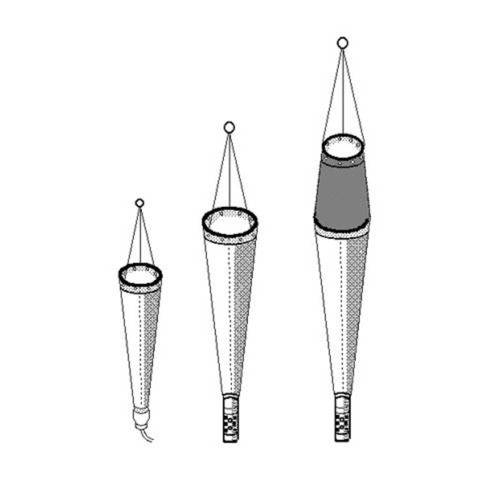
Zooplankton Net, With Collection Bottle
Plankton Net. Diameter entrance : 130mm, ring dia. 180mm, includes bucket, meshes & Front demountable, available in 4 size : 63,80,153,243 Spare Bag for Zooplankton Net, 80/150/250 mesh Size.

Price:
Price 5000 INR / Piece
Minimum Order Quantity : 01 Piece
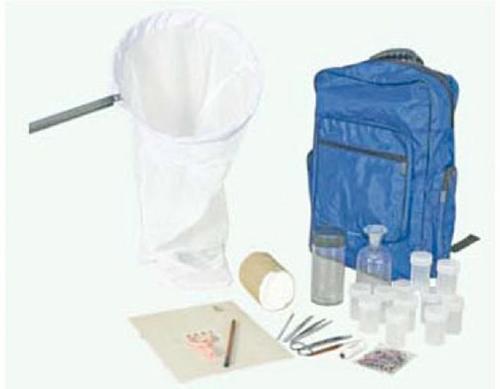
Equipment Materials : Waterproof canvas with leather or synthetic reinforcements
Usage : Collection of field samples (biological, botanical, geological, environmental, etc.)
Feature : Multipocket design, rugged & weatherresistant, adjustable strap
Core Components : Bag, sample containers, forceps, spatula, gloves, marker, labels, magnifier
Price 34000 INR / Piece
Minimum Order Quantity : 01 Piece
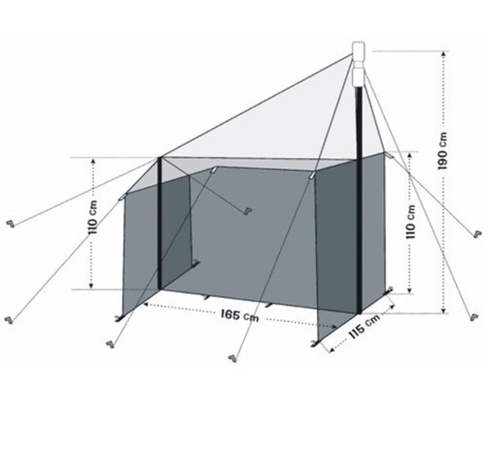
Equipment Materials : Fine Mesh Netting, Polyester, Aluminium Poles
Usage : Insect Collection, Entomological Research
Feature : Lightweight, Portable, Easy Setup, UV Resistant
Core Components : Net, Poles, Collection Chamber, Anchoring Lines
Price 3000 INR
Minimum Order Quantity : 01 Piece
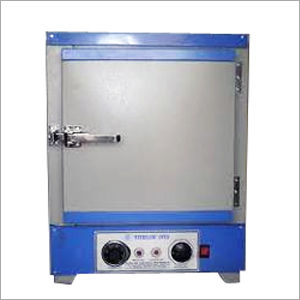
Equipment Materials : Mild steel powder coated exterior, Stainless steel inner chamber
Usage : Sterilization, drying, baking, general laboratory use
Feature : Uniform temperature distribution, digital temperature controller, safety thermostat, double walled construction
Core Components : Heating elements, temperature controller, shelves, insulation
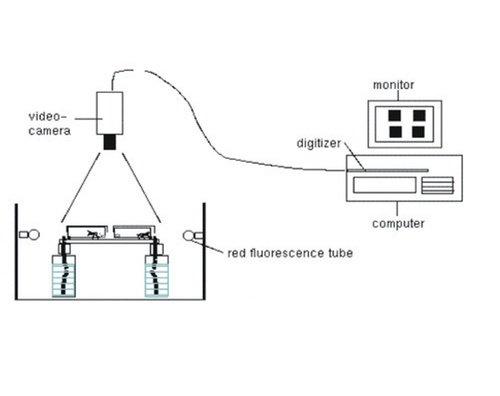
Equipment Materials : Aluminum Casing, Polycarbonate Panel
Usage : Monitoring insect movement and activity patterns in research applications
Feature : Realtime activity recording, data storage, multichannel support
Core Components : Infrared Sensors, Data Processor, LCD Module
GST : 06BBQPS9049P2ZF


 Send Inquiry

 Send Inquiry