About Sono Meter Brass Fitting For Physics Lab
Sono Meter BrassFitting:
Resonance box ( 1140 x100x85 mm), 1mtr. long scale, One brass & steel wire, two movable bridges, pulley and fixed screw.
|
Cat. No.
|
Specification
|
Price
|
|
DDRI-296
|
BrassFitting
|
OnRequest
|
|
DDRI-296-A
|
AluminiumFitting
|
OnRequest
|
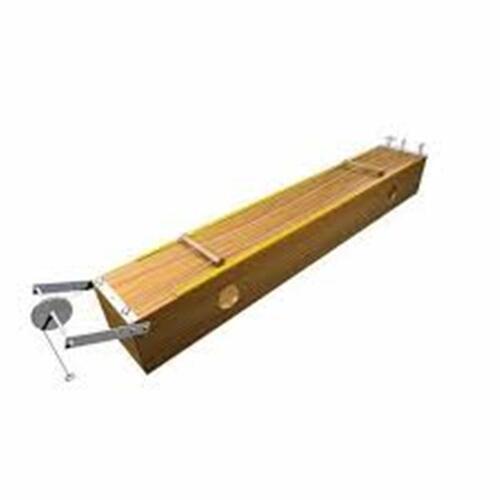
Reliable Performance for Physics ExperimentsDesigned to withstand rigorous laboratory conditions, the Sono Meter Brass Fitting provides a dependable connection for wires and strings in physics experiments. Its robust brass body and corrosion-resistant finish deliver long-term durability and stability, ensuring consistent measurement accuracy throughout repeated use. Each fitting supports precise threading and secure mounting, making it a preferred solution for educational and research environments.
Easy Installation and CompatibilityThe screw locking mechanism and standard thread size (typically M8) allow for effortless installation of the fittings onto most physics lab sono meters. This universal compatibility saves time in setup and is ideal for instructors, technicians, and students requiring quick assembly. The fittings are also supplied in sets tailored for physics experimental use, enabling efficient lab management and experiment preparation.
FAQ's of Sono Meter Brass Fitting For Physics Lab:
Q: How do I install the Sono Meter Brass Fitting in my physics lab equipment?
A: To install the fitting, simply screw it into the designated slot on your sono meter using its standard-thread size. This manual screw-in mechanism provides an easy and secure connection, suitable for most standard physics laboratory sono meters.
Q: What kind of experiments is this brass fitting used for in the physics laboratory?
A: This fitting is primarily used for connecting wires and strings in sono meter experiments, which typically demonstrate concepts such as resonance, vibration, and wave measurement in physics education.
Q: When should I replace the Sono Meter Brass Fitting in my lab setup?
A: The fitting should be replaced if you notice significant wear, thread damage, or corrosion affecting performance. However, its corrosion-resistant brass construction makes it highly durable, and under regular lab conditions, replacement is rarely needed.
Q: Where can I use this brass fitting besides the standard sono meter application?
A: While designed for standard physics lab sono meters, the fitting may also be compatible with other laboratory apparatus requiring a robust, non-reactive brass connection for wire or string experiments, as long as thread specifications match.
Q: What is the process for maintaining the brass fitting for optimal performance and longevity?
A: For maintenance, routinely inspect the fitting for cleanliness, thread integrity, and any signs of oxidation. Avoid exposure to harsh chemicals, and periodically clean the surface with a dry cloth to maintain its polished finish and ensure precise operation.
Q: How does using this fitting benefit my physics laboratory experiments?
A: Utilizing this brass fitting enhances experiment accuracy and reliability by providing a stable, corrosion-resistant connection. Its precise machining and non-reactive material minimize interference with measurements, supporting better educational outcomes and research results.