
Call: 07971550048
 Send Inquiry
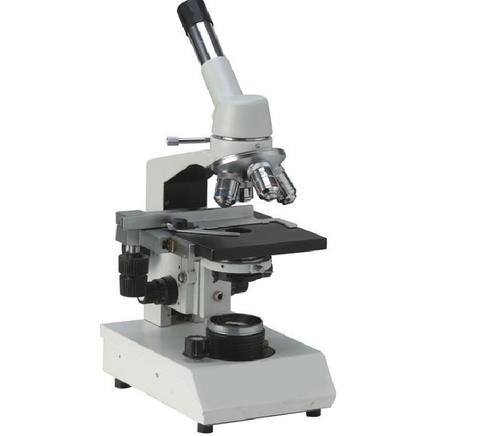
Inclined Monocular Research Microscope
Stand : Rigid & Heavy single mold aluminum die-cast stand. Observation Head : MONOCULAR head inclined at 45 and rotatable in 360 fitted with highest quality prism to ensure highly accurate collimation for stain free observation. Eyepiece : KEOWA H6x and HKW 10x focus-able, lockable, anti-fungal eyepieces with fold able eye guards. Nosepiec : QUADRUPLE ball bearing revolving nose piece with POSITIVE click stop & rubber grip. Objectives : KEOWA Achromatic objectives 4x/NA 0.10, 10x/NA 0.25, 40x/NA 0.65(SL) and 100x/NA 1.25(SL) Oil imm. Stage : RECTANGULAR stage of size 120x140mm with graduated low positioned co-axial controls for X & Y movement. Focusing : SEPARATE coarse and highly sensitive graduated fine focusing knobs reading up to 0.002mm and Slide Safety topper. Condenser : Substage condenser NA 1.25 fitted with iris diaphragm and swing out filter holder with blue filter moving up and down through rack and pinion mechanism. Illumination : Halogen 6V-20W illumination with central knobs for LOW/MED./ HIGH illumination. Up-to 2,000 hours of Halogen Lamp life. Universal input 100V - 240V AC, 50/60Hz. Packaging contents :Packed in shockproof Styrofoam molded box or in a plywood cabinet having provision for placing eyepieces, objectives. Nylon Dust cover. Detachable power cord and 3 pin-plug. Accessories (optional) Dark field and phase contrast kits. Warranty Information 2 Years parts. 3 years KEOWA optics.

Price:
Price 7996.0 INR
Minimum Order Quantity : 01 Piece
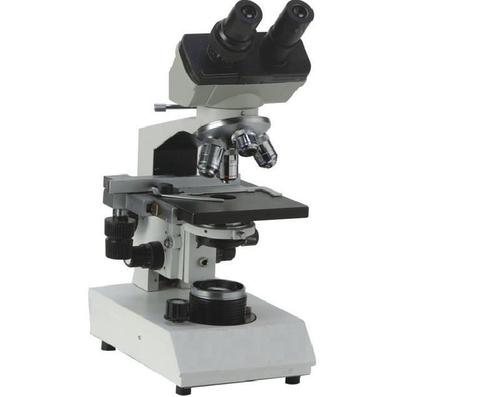
Light Source : Electric, builtin highintensity LED or 20W halogen, operated on 220/110 V.
Working Stage : Mechanical stage, 120 mm x 120 mm, with coaxial XY control and slide holder.
Theory : Other, Optical Binocular Research Microscope designed for laboratory and educational research use.
Illumination : Builtin adjustable LED or tungsten halogen lamp with condenser and diaphragm.
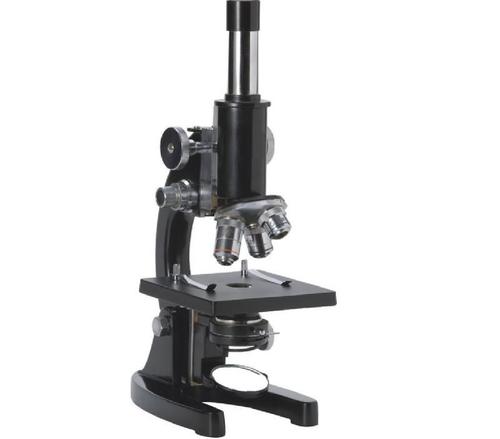
Light Source : Plano concave mirror or optional electric illuminator.
Working Stage : Mechanical stage with slide clips.
Theory : Other, Optical compound microscope designed for educational purposes.
Illumination : Builtin plano concave mirror for natural light; 6V/20W electric illuminator optional.
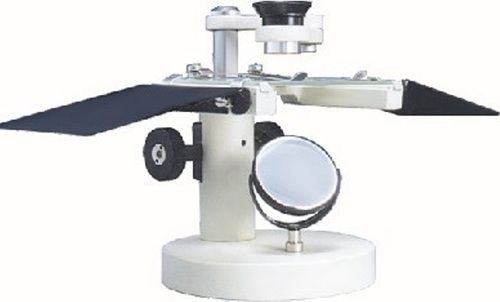
Price 1400 INR
Minimum Order Quantity : 01 Piece
Light Source : Mirror
Working Stage : Fixed Stage
Theory : Other, Optical microscope
Illumination : Mirrorbased illumination
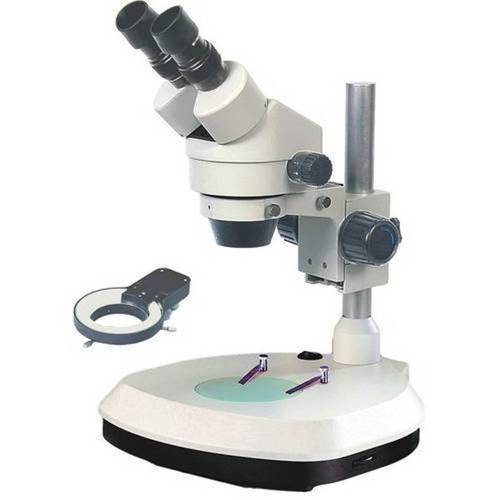
Price 41760 INR
Minimum Order Quantity : 01 Piece
Light Source : LED
Working Stage : Large working base
Theory : Other, Stereo
Illumination : LED ring light
GST : 06BBQPS9049P2ZF


 Send Inquiry

 Send Inquiry