About Shrinkage Limit Set
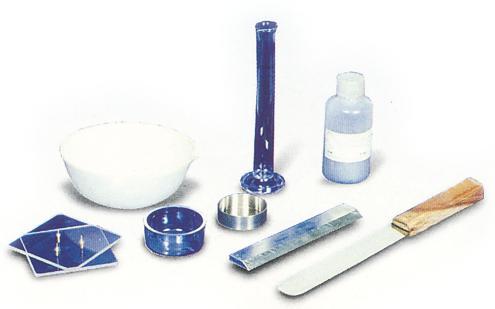
Shrinkage Limit Set
DDRI 3002
Standards:IS 2720 (PART-VII) ASTM D 427, BS 1377, AASHTO T 92.
Specification:
Shrinkage limit is the maximum water content at which a reduction in water content does not cause an appreciable reduction in volume of the Soil Mass. At
shrinkage limit, on further reduction in water, air enters in to the voids of soils and thus keeps the volume constant.
The apparatus can be used to determine shrinkage limit and to calculate other shrinkage ratio, shrinkage index and volumetric shrinkage
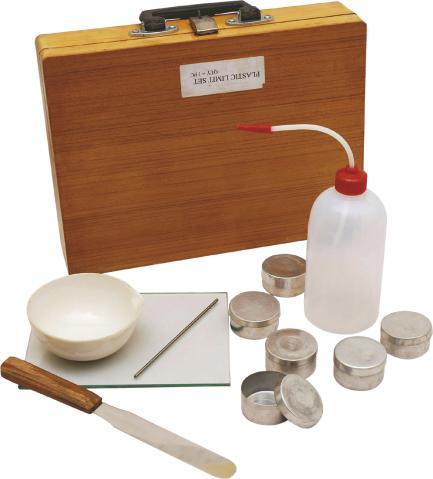
Set consists of one each:
- Porcelain evaporating dish
- Shrinkage dish
- Glass cup
- Perspex plate with three metal prongs
- Flexible spatula 100mm
- Glass cylinder
- 25ml x 1ml, supplied without mercury
- Plastic wash bottle 500ml
Optional Accessories:
Mercury supplied in bottle of 500 gms. at an extra
cost.
Efficient Soil Shrinkage TestingDesigned for laboratories handling soil analysis, the Shrinkage Limit Set streamlines the determination of soil volume changes with ambient humidity and temperature conditions. Its manual operation ensures user control over test speed and stroke, supporting up to three specimens simultaneously and providing immediate, accurate measurements of shrinkage percentage and limit.
Premium Quality and DurabilityConstructed from stainless steel and brass, the set resists corrosion and maintains its polished appearance, ensuring longevity and reliability. The packaging in a box format aids secure transport and storage, making it ideal for distribution or export. Its compact, tabletop mounting further facilitates hassle-free laboratory integration.
Compliant and VersatileThis set complies with both Indian Standard IS:2720 (Part 6) and international ASTM D427 specifications, guaranteeing results aligned with global benchmarks. With components tailored for manual control and resolution, it suits varied laboratory applications in civil engineering, soil science, and quality assurance.
FAQs of Shrinkage Limit Set:
Q: How is the Shrinkage Limit Set used to determine soil shrinkage?
A: The Shrinkage Limit Set facilitates soil shrinkage testing by allowing manual preparation of up to three specimens, each placed in a shrinkage dish, and measured against glass plates and using mercury. The process measures the reduction in soil volume as it dries, yielding accurate shrinkage percentage and limit readings compliant with IS:2720 and ASTM D427.
Q: What components are included in the Shrinkage Limit Set?
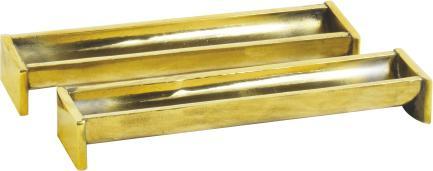
A: The set comprises a rectangular shrinkage dish, glass plate, two spatulas, mercury, a plastic wash bottle, and a porcelain evaporating dish. These components, made from high-quality stainless steel and brass, are packaged in a secure box and are designed for easy handling and durability in laboratory environments.
Q: When is it recommended to use this equipment for soil testing?
A: This set should be used during laboratory evaluation of soil samples when determining shrinkage characteristics is required for geotechnical, civil engineering, or research applications. Its results are essential for studies involving soil behavior under varying moisture conditions.
Q: Where can the Shrinkage Limit Set be deployed?
A: The equipment is best suited for laboratory settings in educational institutions, research facilities, civil engineering companies, or quality control labs. Its portable, tabletop mounting and robust construction make it ideal for environments where soil analysis is routinely performed.
Q: What is the process for conducting a shrinkage limit test with this set?
A: Begin by preparing soil specimens of defined size and placing them in the shrinkage dish. As the specimens dry at ambient lab conditions, periodic measurements are taken using the glass plate and mercury. The reduction in soil volume is then calculated, providing precise shrinkage limits and percentages.
Q: What benefits does this Shrinkage Limit Set offer over conventional methods?
A: Featuring manual operation, this set provides immediate response times, high measurement resolution, and accuracy. Its non-corrosive, durable materials ensure extended usability, while compliance with international standards allows for reliable, globally recognized results.

 Send Inquiry



 Send Inquiry

 Send Inquiry