About Pit Fall Trap
Pit Fall Trap
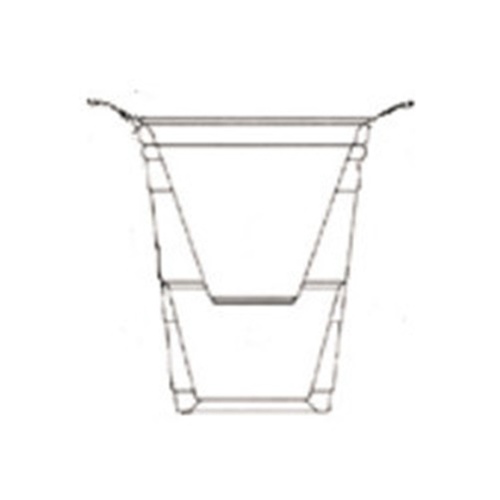
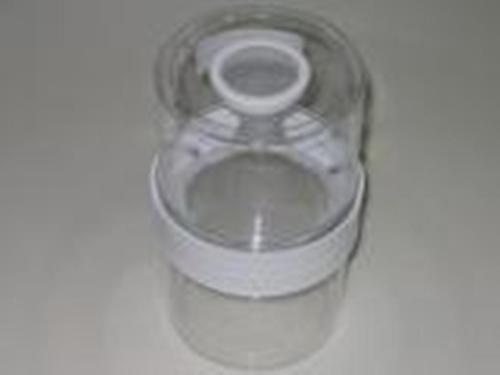
Two plastic containers placed in the ground. The rim is flush with earth surface. Specimens are collected in the upper container which can be removed when needed. Bottom container remains fixed in the ground.
Rust-Resistant & Durable ConstructionThis pit fall trap is engineered with a rust-resistant coating and constructed from sturdy metal and transparent plastic, ensuring longevity and reliable performance even when deployed outdoors for multiple days. The materials resist corrosion and make cleaning hassle-free, while the transparency allows for quick assessment of trapped specimens.
Efficient Insect Collection DesignDesigned with a funnel-shaped lid, the trap effectively prevents captured insects from escaping while enabling high capture rates of ants, beetles, spiders, and other ground surface arthropods. Each deployment can gather multiple specimens, making it ideal for both small-scale studies and larger entomological surveys.
Simple Operation and MaintenanceWith manual operation and no power requirements, this pit fall trap is straightforward to install by placing it flush with the ground. Its components are easy to disassemble and clean, facilitating repeated use. The preservative holder can be filled with ethanol or similar, safeguarding collected insects for later analysis.
FAQs of Pit Fall Trap:
Q: How do I install the Pit Fall Trap for optimal insect collection?
A: To install the Pit Fall Trap, select a flat, open ground surface and dig a shallow hole matching the containers dimensions. Place the trap flush with the soil so that ground-dwelling insects can easily fall into it. Attach the funnel lid and fill the preservative holder before starting your survey.
Q: What preservation methods can I use with this trap?
A: The trap is designed with a holder that can accommodate ethanol or other insect-preserving solutions. This maintains the collected specimens in suitable condition for identification and research without risk of decay or predation while in the trap.
Q: When should I deploy and retrieve the trap during research?
A: Typical deployment durations are between 24 to 72 hours, depending on your sampling objectives and environmental conditions. Check and retrieve the trap after your selected duration to ensure specimens remain intact and are not affected by predators or weather.
Q: Where is this pit fall trap best used?
A: This trap is most effective when placed in habitats frequented by ground-dwelling arthropods, such as gardens, fields, forests, and research plots with exposed soil. Ensure it is flush with the soil surface to maximize capture efficiency.
Q: What is the process for cleaning and maintaining the trap after use?
A: After retrieving the trap, empty the container of all specimens and discard or replace the used preservative. Clean all parts gently with water and mild detergent if needed, allow the trap to dry, and reassemble for future usage.
Q: What are the main benefits of using this pit fall trap for entomological work?
A: The trap offers high capture efficiency, is reusable, and features a transparent design for easy monitoring. The rust-resistant coating and manual operation ensure durability and convenience, making it well-suited for repeated field studies and insect population assessments.

 Send Inquiry



 Send Inquiry

 Send Inquiry