About Compression Testing Machine 200 Ton
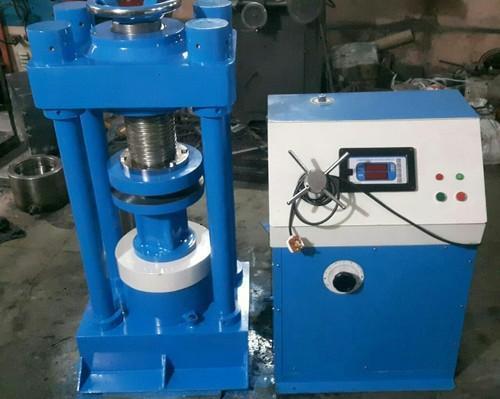
Compression Testing Machine 200 Ton
Features:
- Channel type model
- Complete with single pressure gauge & self made motor
- 440 load frames: available in 100 tons, 150 tons, 200 tons.
- Models available: hand operated & electric cum hand operated.
High-Performance Hydraulic SystemThis compression testing machine is equipped with a robust hydraulic pump, which can be operated manually or electrically for flexible use across different environments. The oil reservoir holds up to 10 litres to support smooth and efficient testing cycles for specimens up to 150 mm in size.
Advanced Safety and Calibration FeaturesAn overload protection valve safeguards both operators and equipment during high-pressure testing. The machines calibration is traceable to national or international standards, which ensures precise and consistent measurement every time. Calibration certificates are provided for compliance and quality assurance.
Designed for Versatility and ReliabilityWith a fully adjustable test speed (0.15 mm/min) and a measuring range up to 2000 kN, this machine accommodates a variety of sample shapes, including cubes and cylinders. The digital or analog display gives clear readings, while the rugged frame withstands industrial wear and supports up to 1,100 kg of weight.
FAQs of Compression Testing Machine 200 Ton:
Q: How does the Compression Testing Machine ensure testing accuracy?
A: The machine delivers accuracy within 1% of reading, and all measurements are traceable to national or international calibration standards. A calibration certificate is supplied to guarantee consistent, reliable results.
Q: What types of specimens can be tested with this machine?
A: This compression testing machine can accommodate specimens of up to 150 mm cubes or cylinders measuring 150 mm in diameter by 300 mm in height, making it suitable for concrete, cement, and various building materials.
Q: When should I use manual versus electric operation?
A: Manual operation is ideal for sites lacking reliable power or when careful control is needed for sensitive specimens. Electric (motorized) control offers speed and convenience for routine or high-volume testing in laboratories and industrial settings.
Q: Where should this machine be installed for optimal performance?
A: Install the machine on a stable bench or stand within a laboratory or industrial environment that maintains temperatures between 10C and 40C and relative humidity up to 85% (non-condensing) to ensure operational stability and safety.
Q: What is the process for performing a compression test using this machine?
A: Place the specimen between the platens, adjust the settings for the appropriate test speed and control mode, then initiate the test using the manual lever or electric controls. Force is gradually applied until the specimen fails, and results are displayed digitally or via analog gauge.
Q: What are the key benefits of using this compression testing machine?
A: Major benefits include high accuracy, rapid response time, robust overload protection, traceable calibration, ergonomic controls, sturdy construction, flexible operation modes, and compatibility with multiple display and interface options for efficient workflow integration.

 Send Inquiry



 Send Inquiry

 Send Inquiry